


What is Offshore Development? When is it the right choice?
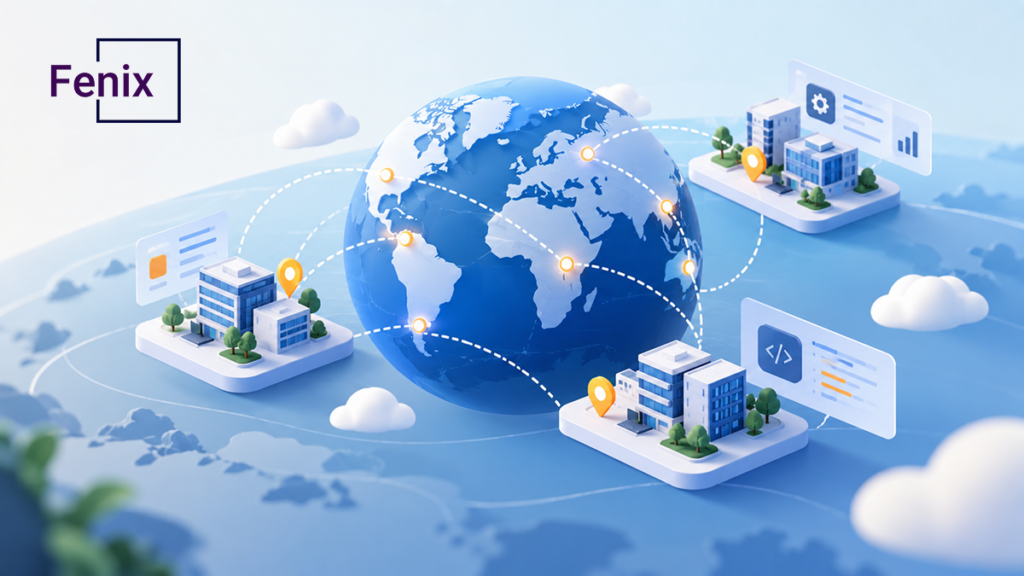
When internal resources are not enough to support the development plan, businesses usually have several options: hire more people, outsource locally, or work with a development team in another country. Offshore Development is one of the models often considered in this situation.
Cost should not be the only criterion. Offshore development may expand capacity, add missing skills, or provide more delivery flexibility, but outcomes depend on how requirements, responsibilities, communication, quality, and other project constraints are managed.
Table of Contents
1. What is Offshore Development?
Offshore Development is a software development model in which a business works with a team or company in another country to handle part or all of the system development process. Decision rights for the product, requirements, and delivery vary by engagement model and agreement between the parties. The scope can include requirements analysis, design, development, testing, maintenance, and post-release improvements.
Depending on the project, a business may outsource a specific scope, build a dedicated team that works closely with internal staff, or retain product ownership and key decisions while the offshore partner handles most of the delivery work.
So offshore development is not simply about “sending work overseas.” Its effectiveness depends heavily on whether both sides share the product goal, define decision ownership, and maintain an appropriate communication process throughout development.

2. How is an offshore development model usually organized?
Depending on the engagement model, the client may provide business context, objectives, requirements, and priorities, while the offshore partner may help clarify missing information and translate it into a delivery plan, scope, or work items. The division of responsibilities should be agreed for the specific project.
During implementation, both sides need an agreed way to communicate and track progress. Depending on the project, this may include regular meetings, project management tools, requirements documents, prototypes, and product demonstrations at key stages.
Decisions that affect scope, system behavior, or delivery dates should be documented rather than left only in meetings. This gives both sides a common source of information and reduces the risk of different interpretations of the same requirement.
When context and changes are shared consistently, the offshore team can understand the purpose behind individual tasks instead of simply working through a list of assignments.
3. What benefits can businesses gain?
One commonly expected benefit is the ability to add development capacity without hiring all of that capacity into the internal team. The value depends on the staffing need, timeline, skills required, and how collaboration with the partner is organized.
Offshore development can also provide access to skills the current team does not have. Working with a team that already has relevant experience may shorten the time needed to access those capabilities, but fit still needs to be evaluated for the specific project.
In a long-term partnership, the offshore partner can build knowledge of the product and business processes over time. The team can then function as an extension of the internal development organization rather than simply a vendor that receives isolated tasks.
However, cost should not be evaluated from hourly rates alone. Total cost can also be affected by rework, requirement gaps, quality issues, management overhead, communication, and other coordination costs.

4. What risks should be clarified from the start?
The first risk is communication. Differences in language, expression, or working culture can lead both sides to believe they understand each other while still having different expectations of the outcome.
The second risk is missing context. If the development team receives only a feature list without understanding the business goal, users, and workflow behind it, the team may have to make assumptions about unclear details.
Project visibility also matters. If the business only sees the product near the end of development, misalignment may be discovered too late. Smaller delivery increments, prototypes, and regular demonstrations help confirm the direction earlier.
Security, source-code ownership, quality, maintainability, knowledge transfer, and time-zone coordination should also be discussed before collaboration begins.
5. When is offshore development a good fit?
Offshore development is often worth considering when the business has a reasonably clear objective, needs additional development capacity, and has an internal owner who can provide feedback, confirm priorities, and make decisions.
It can also work well when the business wants to keep product knowledge and strategic decisions in-house while relying on an external partner for much of the implementation.
If the problem is still vague, the scope is unclear, or stakeholders are not available to provide feedback, expanding the development team immediately may not be the right step. In that case, clarifying the business problem and requirements first is usually more useful.
6. What should businesses prepare before working with an offshore team?
First, define roles clearly. Who sets priorities? Who confirms requirements? Who approves the result? Who becomes the main contact when an issue arises? These responsibilities should be agreed before development begins.
Next, agree on a shared way of working. Both sides should define the project management tool, main communication channels, meeting frequency, expected response times, and where important decisions will be recorded.
Depending on the development approach, the scope may be divided into suitable increments or milestones for periodic review. Prototypes, delivery milestones, and demonstrations can provide earlier opportunities to identify and correct misalignment.
Finally, quality and project knowledge should not depend on one person. Code reviews, documentation, testing, and handover practices help ensure the system can continue to evolve and remain maintainable over time.
At Fenix, collaboration starts by clarifying the business context, requirements, and responsibilities. Regular communication, confirmation, and staged delivery are then used so both sides can track progress and quality throughout the project.
7. Conclusion
Offshore software development can be one option when a business needs additional development capacity without building the entire team internally. Potential benefits include access to resources, skills, and different staffing models, but the value depends on the project context and collaboration model.
However, success does not come from choosing the lowest rate. It depends on whether both sides share the same goals, communicate consistently, and manage requirements, quality, and progress clearly.